


When most people hear the word innovation, their minds immediately leap to advanced technologies, futuristic gadgets, or clever engineering breakthroughs. But innovation isn’t just about being high-tech or complicated.
Sometimes, the most innovative solutions are the simplest ones. Take the silicone spatula or the plastic corner guard. Neither product is powered by AI or uses advanced materials, yet both are used in millions of homes worldwide. Their success has nothing to do with being flashy — and everything to do with solving a problem people actually care about.
That’s the essence of innovation: creating something new, distinctive, and valuable by addressing a real need in a way that existing solutions cannot — even if the solution itself is straightforward.
In other words, every meaningful innovation has two defining qualities:
-
It solves a problem
-
It creates value
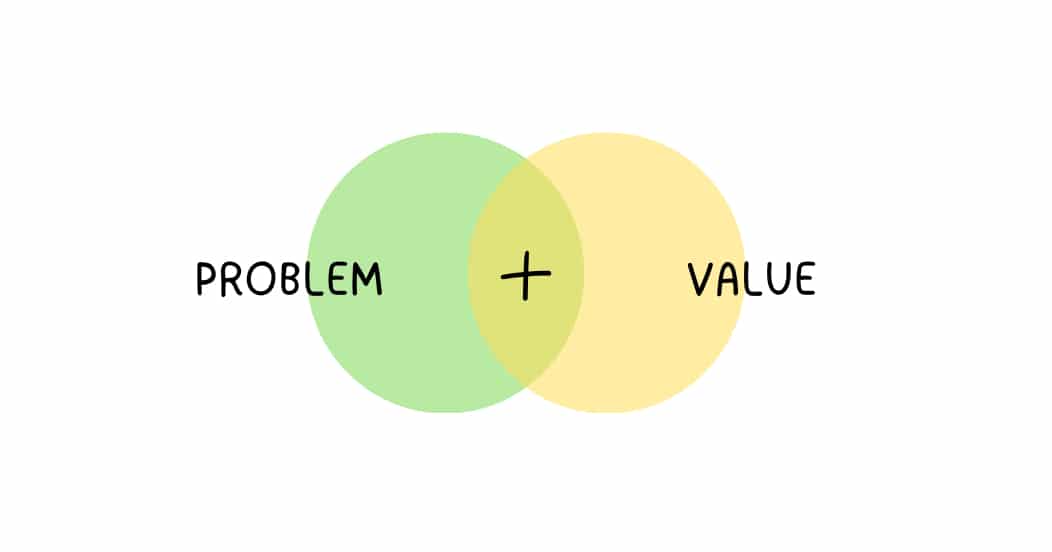
Innovation Is Worthless Without a Problem to Solve

This is where many would-be innovators get it wrong. They fall in love with a technology, a clever idea, or a trendy concept — and then go searching for a use case. The result? Products that make us scratch our heads and ask, “Who wanted this?” Think of fridges that tweet, or gadgets that “solve” problems no one actually has.
Great innovations don’t start with the solution. They start with the pain — the friction in people’s lives that slows them down, frustrates them, costs them time or money, or keeps them from getting something important done.
Qualities of Significant Pain Points
Not every problem is worth solving. People encounter countless small frustrations every day, but they don’t chase solutions for all of them. Instead, they focus their energy on the problems that truly matter—the ones that carry real weight and can’t be ignored.
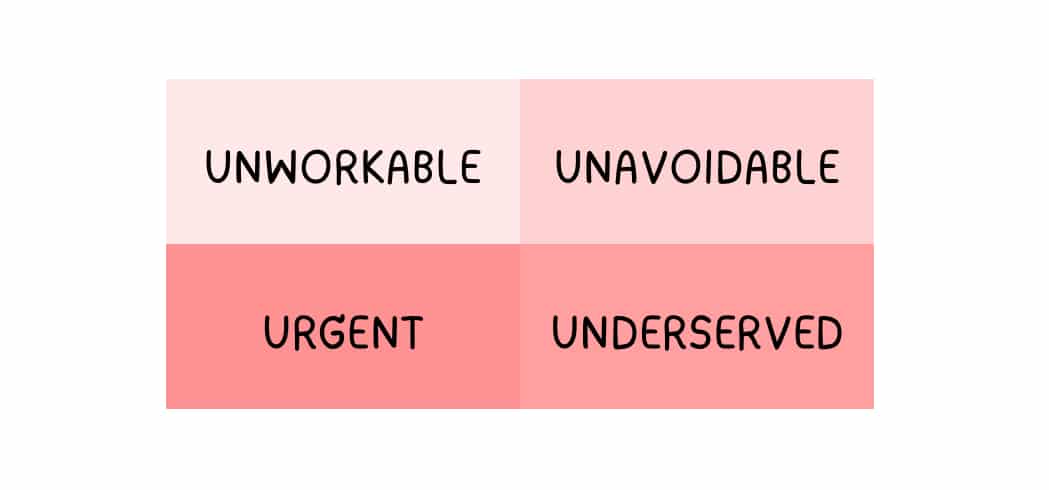
According to Harvard Business School, the problems most worth solving share four defining qualities. These are the hallmarks of meaningful customer pain points.
- Unworkable: The customer simply cannot achieve their desired outcome with current tools. Workarounds are clumsy, time-consuming, or unreliable, and the frustration compounds over time.
- Unavoidable: The pain point appears regularly and can’t be ignored. It’s woven into the customer’s routine, environment, or process—they don’t get to choose whether to face it.
- Urgent: If the issue isn’t resolved quickly, something breaks down: deadlines slip, safety is compromised, money is lost, or opportunities vanish. That urgency pushes people to seek change.
- Underserved: Either no solution exists, or the ones available are inadequate. They might address the problem partially, but they leave critical gaps that customers still struggle with.
When a problem carries all four of these traits, it signals fertile ground for innovation. These are the problems that create genuine demand, where solutions aren’t just welcomed—they’re needed.
Solving Waste and Frustration
The Silicon Spatula
Cooks and bakers once shared the same small but irritating problem: batter, sauces, and dough sticking to bowls and pans. Traditional spoons couldn’t scrape everything out, leading to wasted food, wasted money, and extra time spent cleaning.
The silicon spatula changed that. Its flexible, heat-resistant design scraped every corner clean, turning a daily frustration into a smoother, more efficient experience. The innovation wasn’t in the silicone itself — it was in recognizing the problem and solving it elegantly.
Solving Safety Concerns
The Table Corner Guard
For parents of toddlers, sharp furniture corners have always been a constant source of anxiety. The old “solutions” — rearranging furniture, hovering over children, or simply hoping for the best — weren’t practical or effective.
The table corner guard provided a direct and affordable fix. By cushioning sharp edges, it minimized injuries and gave parents peace of mind. It didn’t need to be complex; its power lay in solving a very real household risk with simplicity and clarity.
Solving Problems Is Not Enough Unless It Creates Value

Solving a problem is only half of what makes something innovative — the solution must also create real value. Not every problem is worth solving, and not every solution makes life better. If the benefit is too small, too costly, or introduces new friction, people won’t adopt it. Value is what transforms a clever fix into something people actually care about: saving time, reducing effort, improving safety, or unlocking new opportunities.
Take two simple examples. The silicone spatula delivers value by making cooking easier and cleaner — it saves time in the kitchen and prevents waste. The table corner guard delivers value by protecting children from injury — parents don’t see it as just plastic padding, but as safety and reassurance.
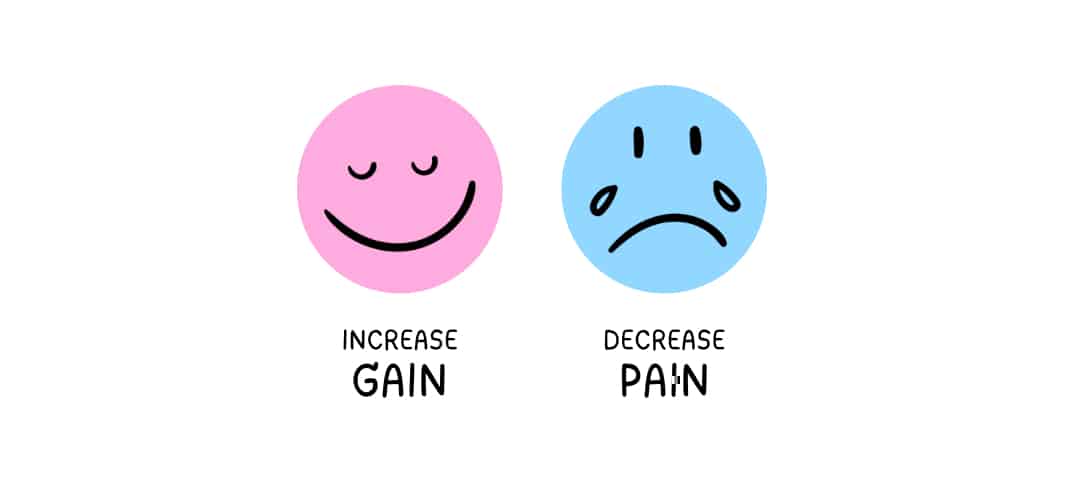
In essence, value is created in two powerful ways: increasing gains and reducing pains.
-
Increasing gains means enabling people to achieve more — saving time, improving outcomes, enhancing convenience, or opening new possibilities.
-
Reducing pains means removing the obstacles, risks, or frustrations that hold them back — cutting out wasted effort, reducing stress, or eliminating danger.
–
The most compelling innovations do both at once: they amplify the positive and minimize the negative, creating solutions that feel not just helpful but essential.
When evaluating innovation, the ultimate question is: Does this deliver enough value that people will not only use it but choose it over alternatives? If the answer is yes, then the innovation has a clear path to lasting impact.
So, How Do You Create an Innovative Product?
It’s not as hard as it might seem. Innovation doesn’t require you to invent the next smartphone or space rocket. What you need is a problem worth solving — and then the discipline to design a solution that delivers real value.
Once you shift your focus to problems and value, ideas for innovation will naturally follow.
If you’d like to dive deeper, you can explore the step-by-step process for identifying problems and generating valuable solutions in my book Find It.
And if you’re ready to go even further, my book Before You Go to Market takes you through the full business journey of creating innovative products — from finding a business idea to designing it, and ultimately selling it successfully.